Stockholm City Hall
Words: Cass SternStockholm City Hall is known around the world as the setting for the annual Nobel Prize banquet. But behind the ceremonies and the landmark tower is another story: a building constructed with approximately 8 million bricks.
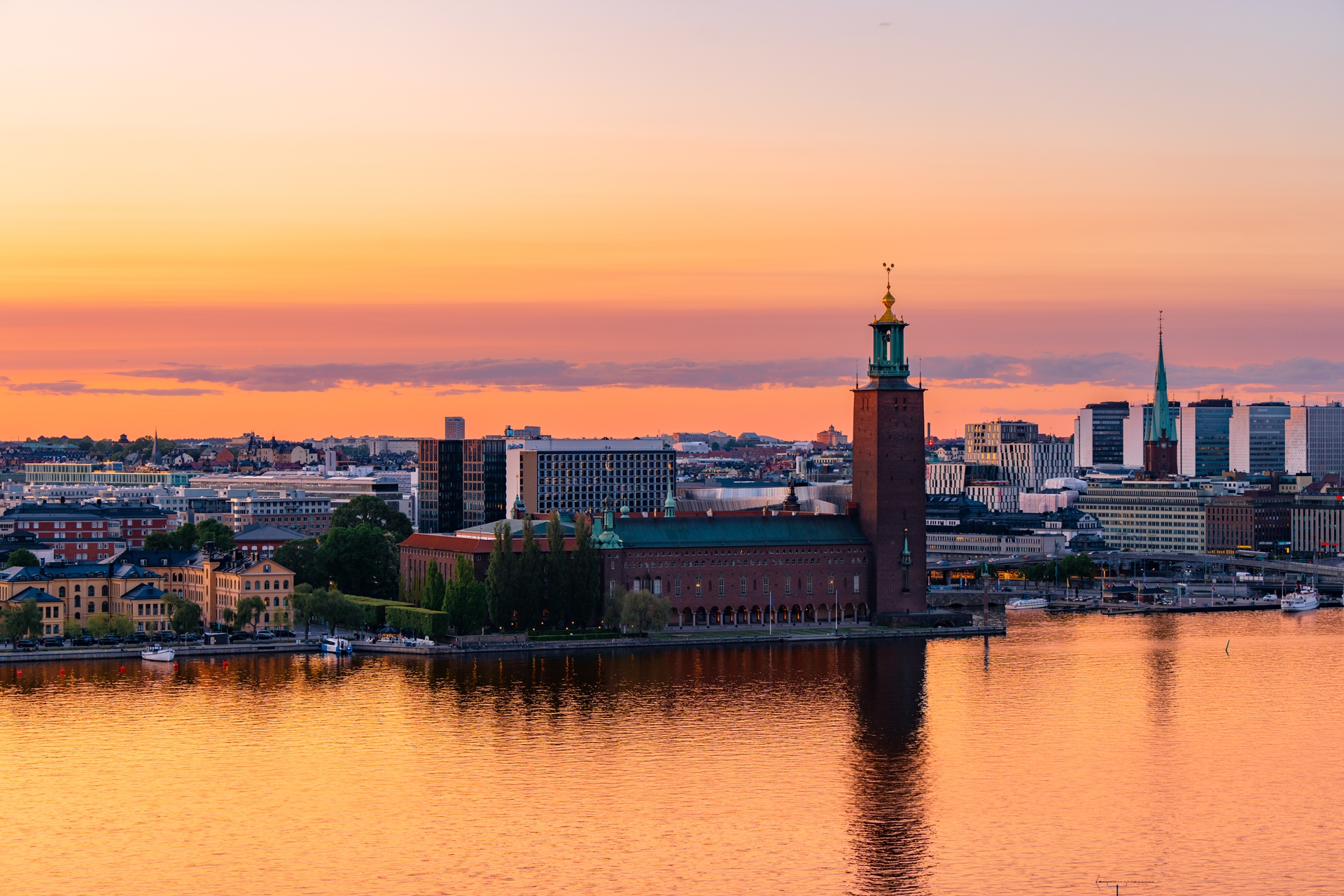
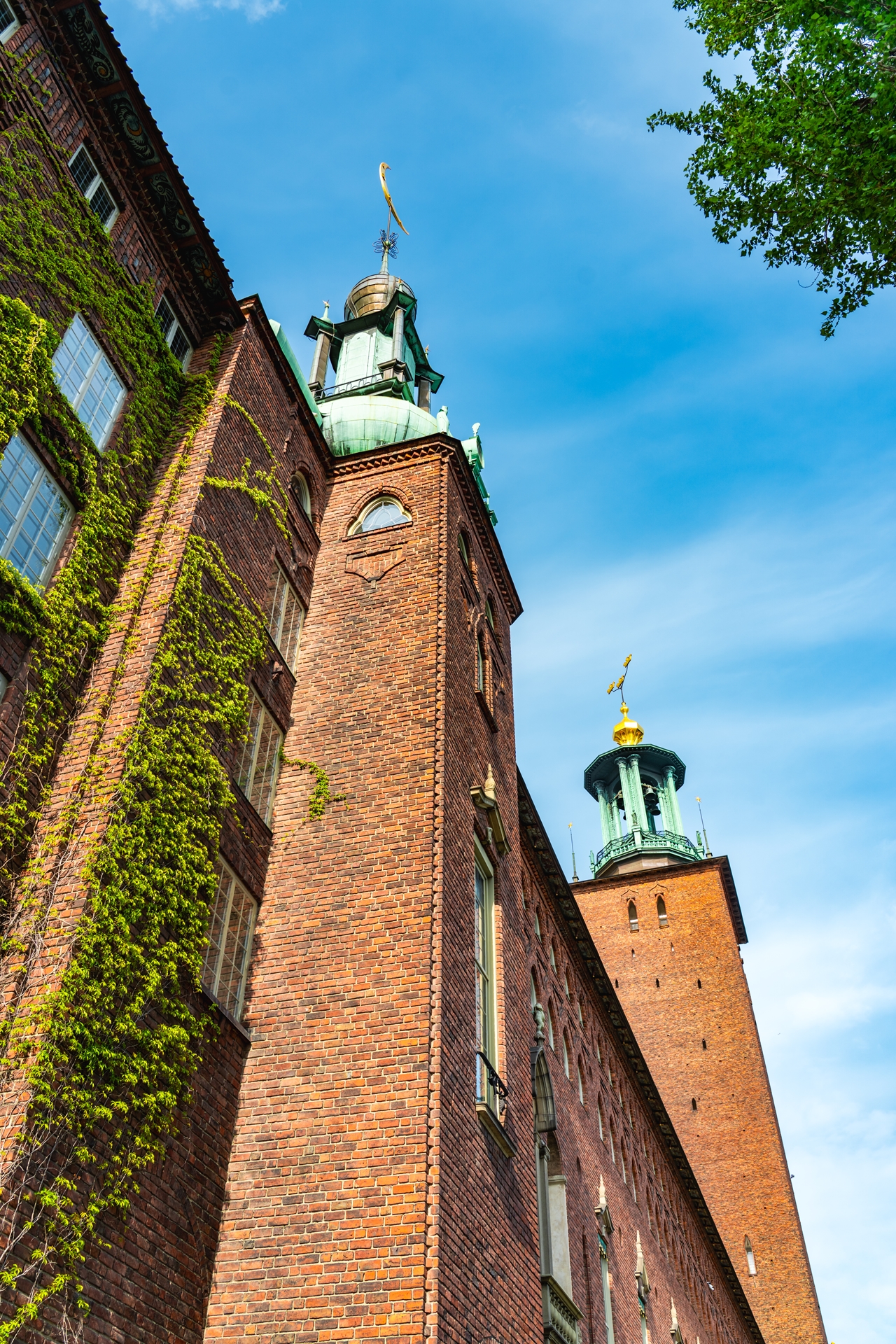
The massive red-brick complex sits at the edge of the water on Kungsholmen in Stockholm, Sweden. Designed by Swedish architect Ragnar Östberg and built between 1911 and 1923, City Hall emerged from Sweden’s National Romantic movement, which looked to traditional materials and craftsmanship for inspiration.
That influence is easy to see in the masonry.
The brick wasn't selected simply to provide a red exterior. Its size, manufacture, bond, and natural variation were all part of Östberg's effort to connect a new civic building to Sweden's architectural past.
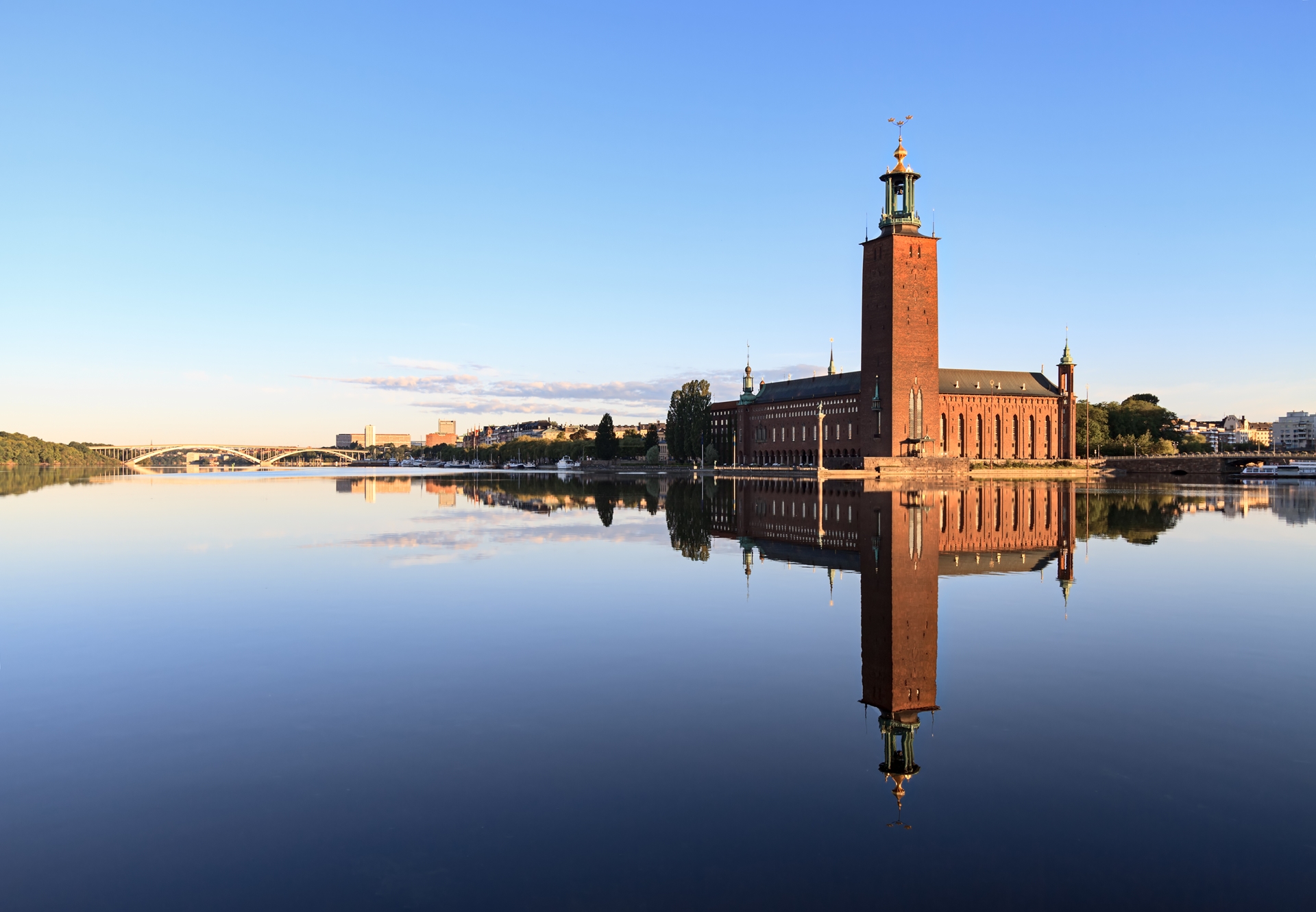
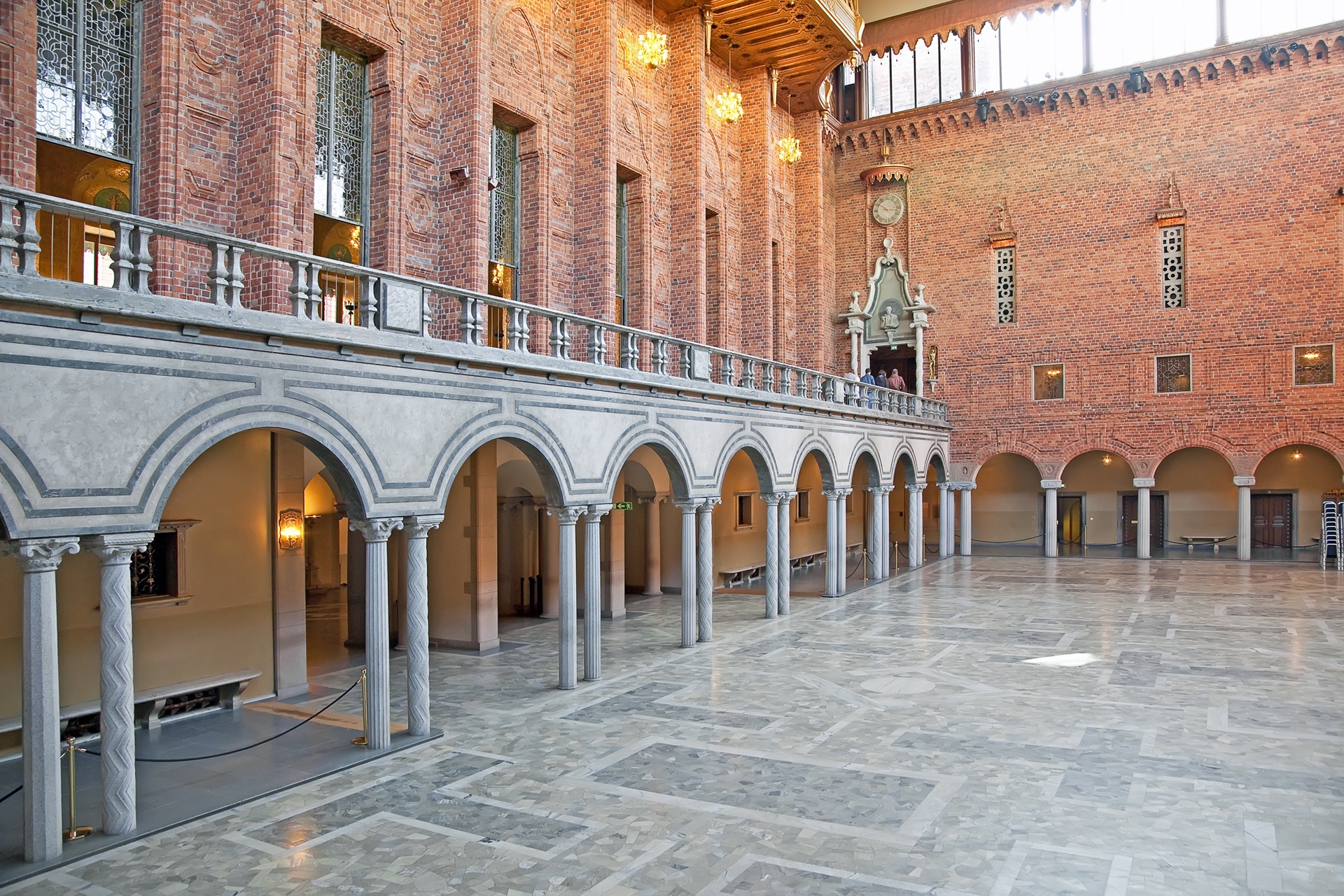
More than 100 years later, those choices remain central to the building's identity.
The City of Stockholm reports that the building contains approximately 8 million bricks manufactured at Lina Brickworks in Södertälje. About 1 million were handmade and used on the facades. Individual units weigh approximately 7 kilograms, or more than 15 pounds.
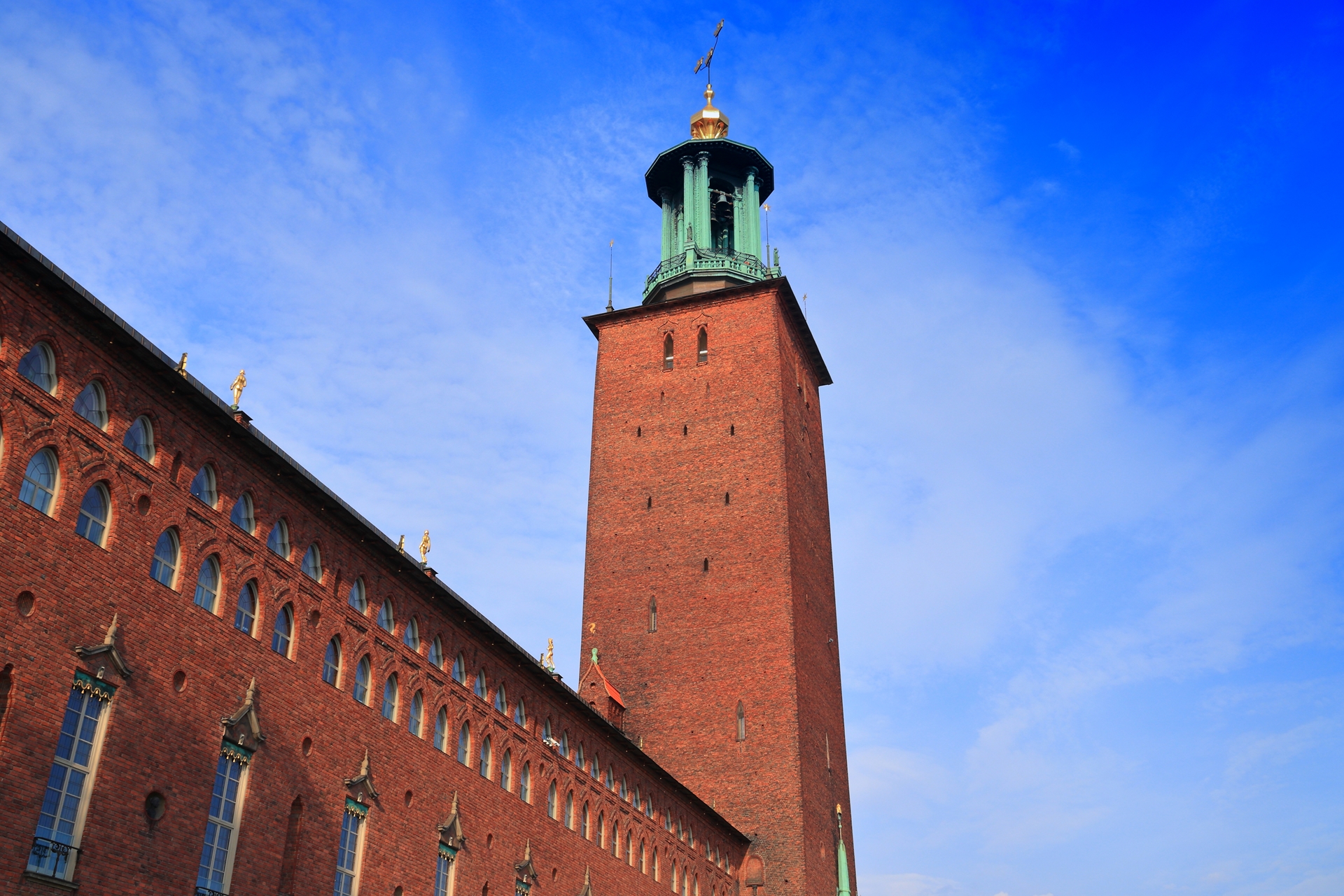
The brick dimensions were selected to match those associated with Tre Kronor, Stockholm's former royal castle, which was destroyed by fire in 1697. Östberg went further than simply borrowing the dimensions. According to the City of Stockholm, the same brick size and masonry bond associated with the old castle were used to give City Hall a sense of historical weight and legitimacy.
The dark-red units are commonly described as munktegel, or "monk brick," a name associated with brick traditionally used in monasteries and churches.
 Sub cred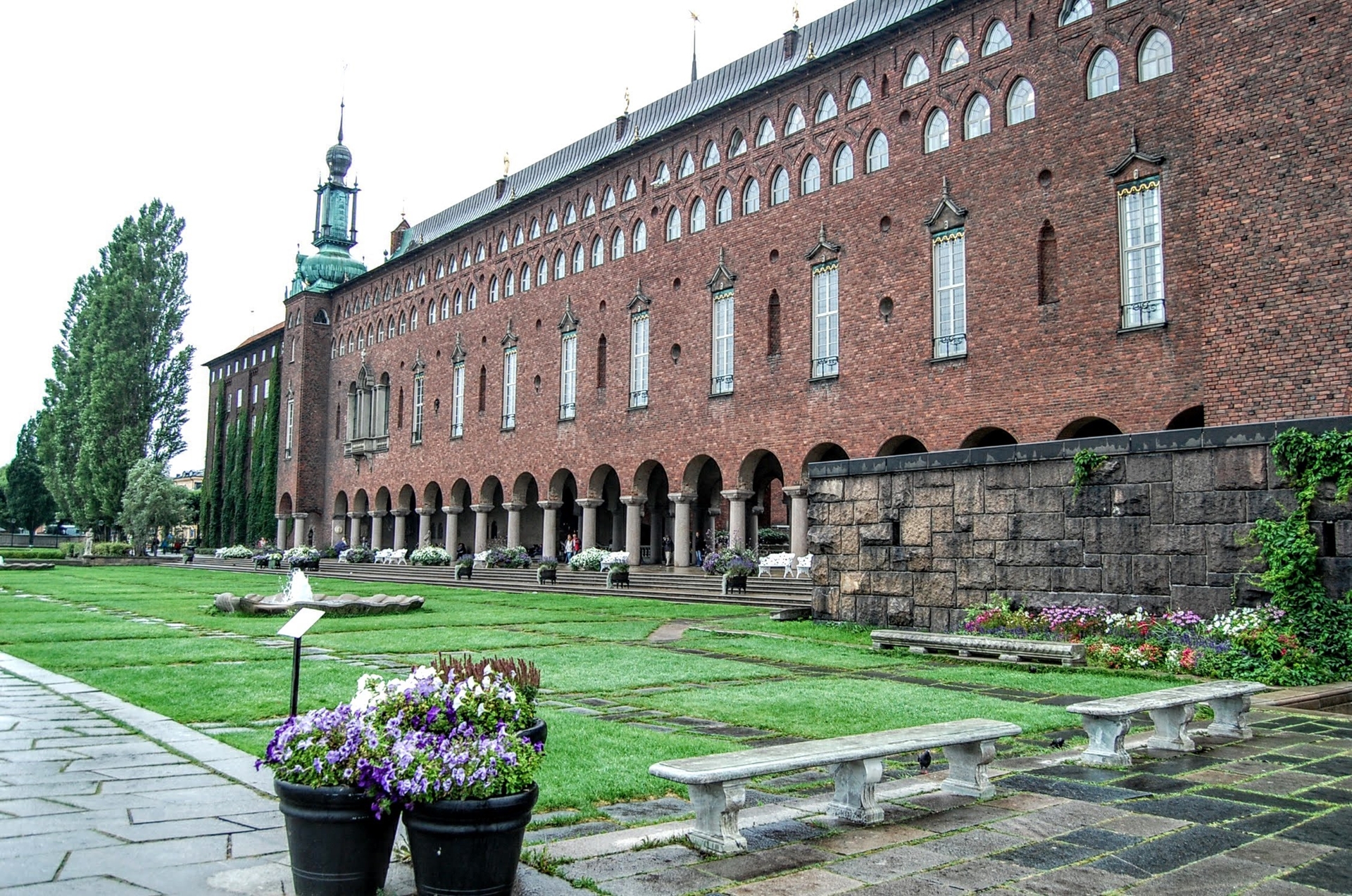
The handmade facade brick is particularly interesting today. Modern brick manufacturing can deliver remarkable consistency in dimensions, color, and finish. City Hall shows the visual effect of working with material that isn't perfectly uniform.
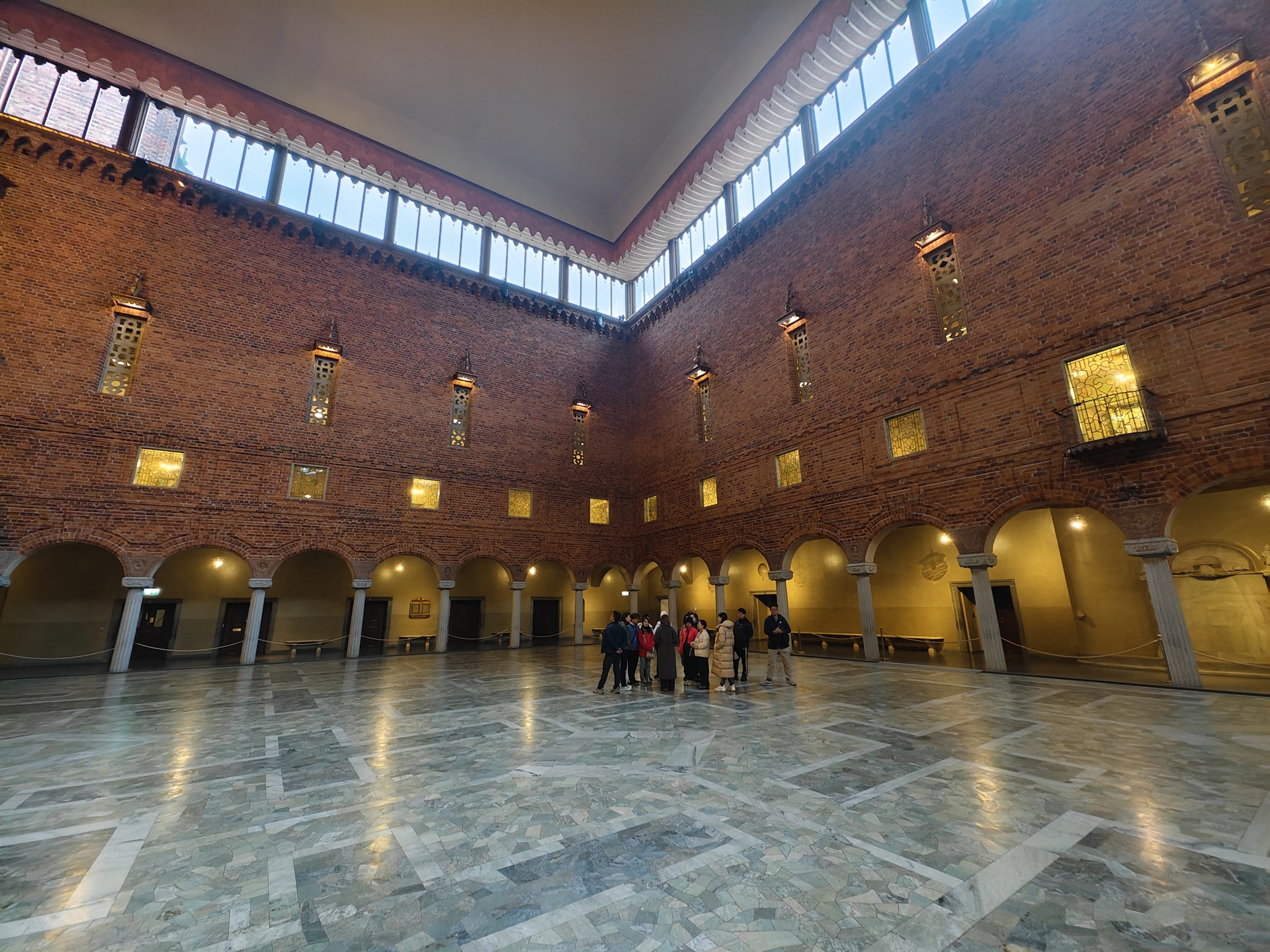
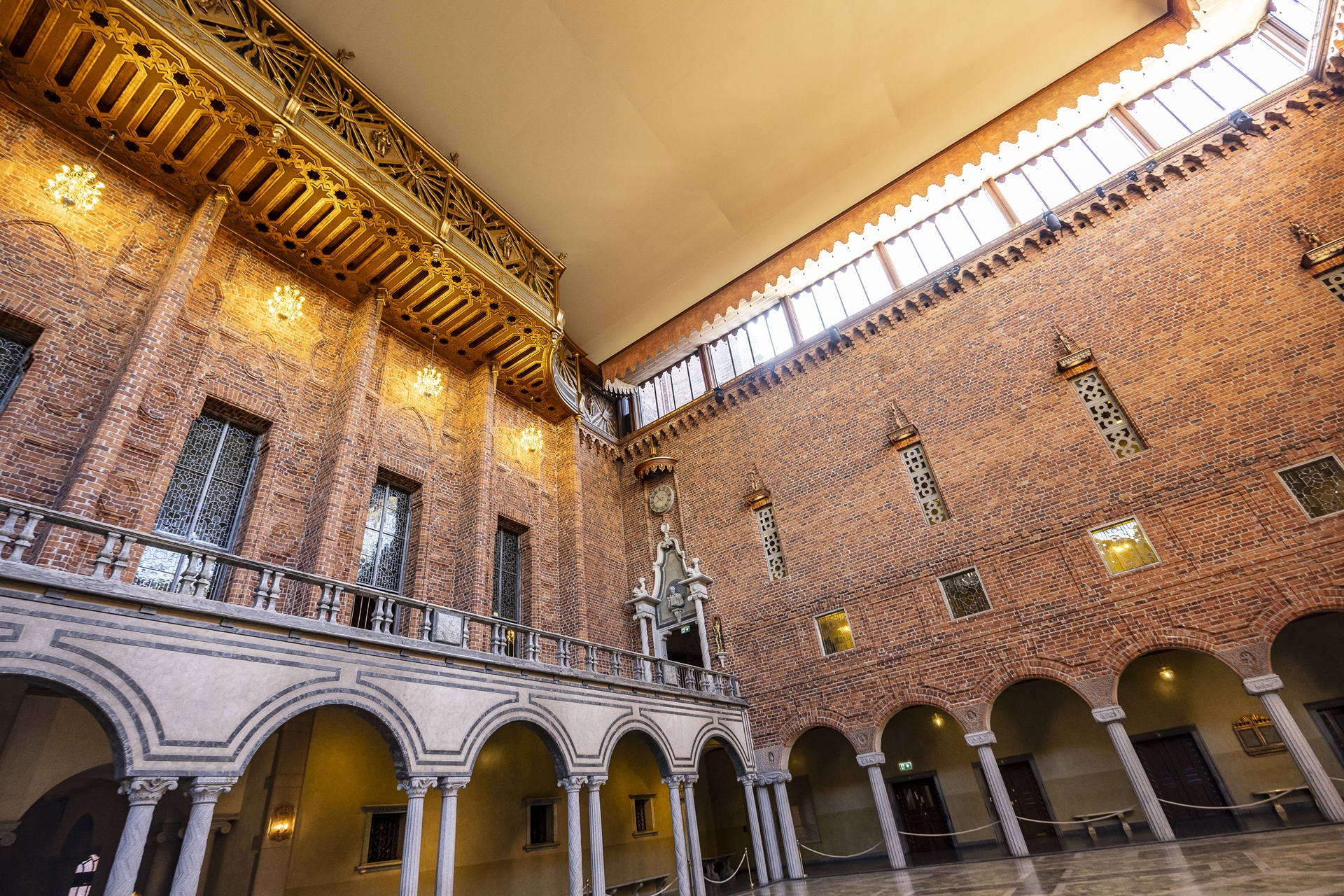
Differences among the handmade units create texture across the elevations. Color shifts from brick to brick. Surfaces and edges vary. Those differences, combined with the bond and mortar joints, keep large expanses of wall from reading as flat or repetitive. What might be considered variation in one project became part of the architectural character here.
The brickwork even changed Östberg's plans for one of the building's best-known rooms.
The Blue Hall, where the Nobel Prize banquet is held each December, was originally intended to have blue-plastered walls. During construction, Östberg decided against covering the brick. The masonry remained exposed, while the Blue Hall name stayed.
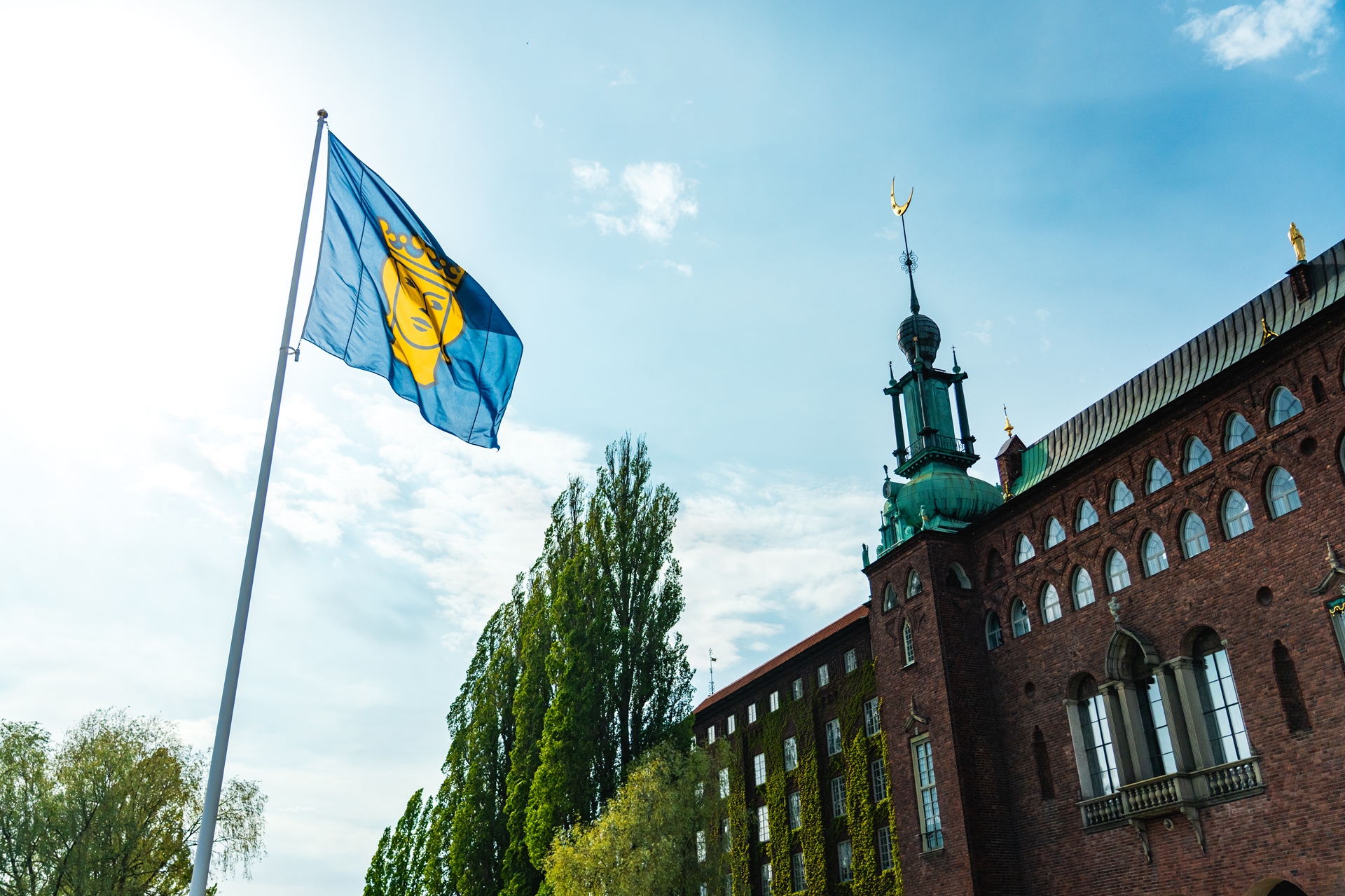
For all of its references to medieval architecture, City Hall was very much a product of early 20th-century construction.
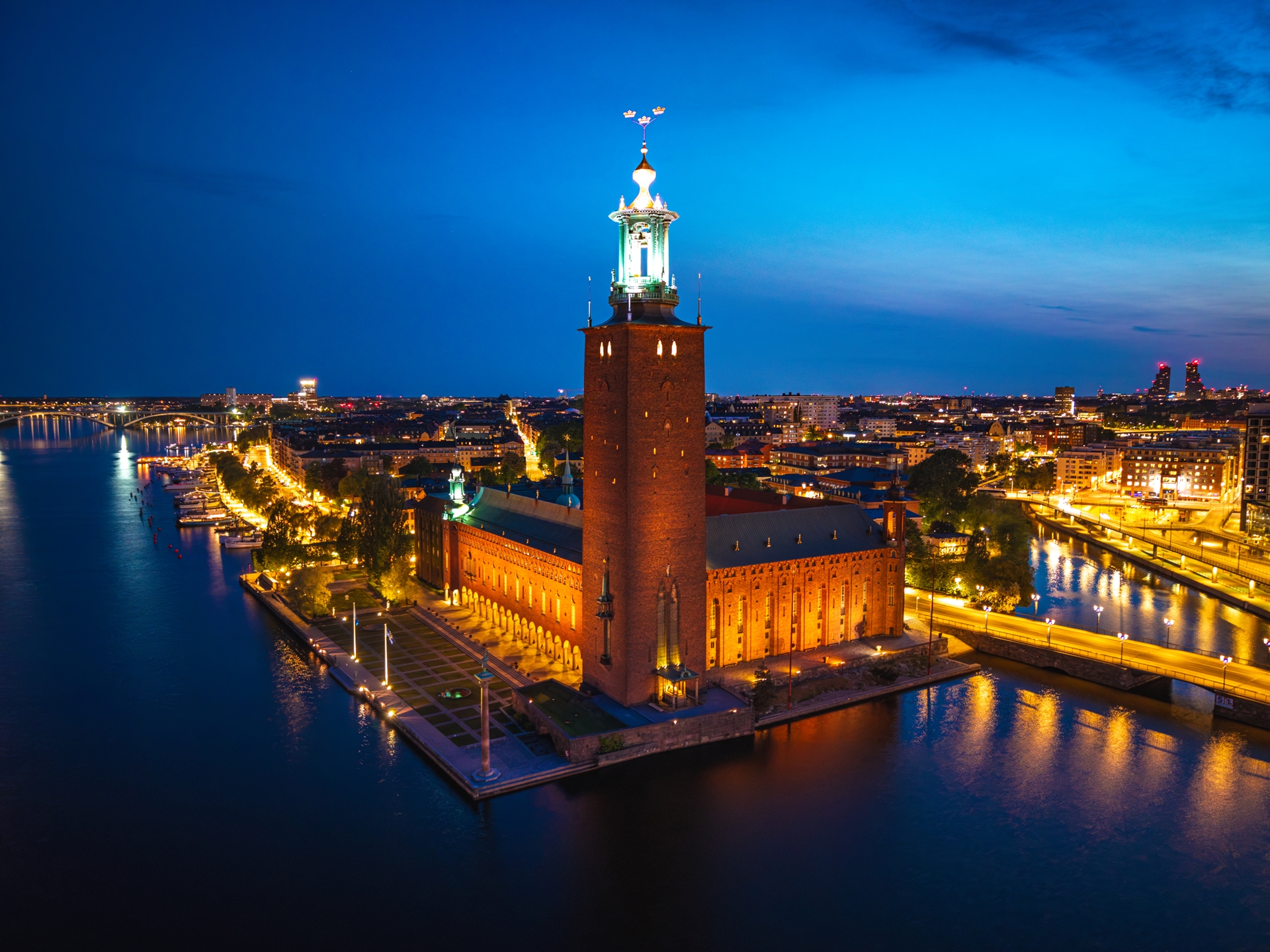
Building along the waterfront created substantial foundation challenges. Divers examined underwater conditions, and nearly the entire building was supported on piles incorporated into reinforced concrete foundation slabs. The 106-meter, approximately 348-foot tower presented a different problem because of its weight. Caissons and eight massive concrete columns were used to carry the loads below.
Above those foundations, the brickwork took over.
The material handling involved in 8 million bricks is difficult to appreciate from the finished building. Bricks arrived by barge and were unloaded at the waterfront. Workers then supplied the masons using simple wooden carrying frames.
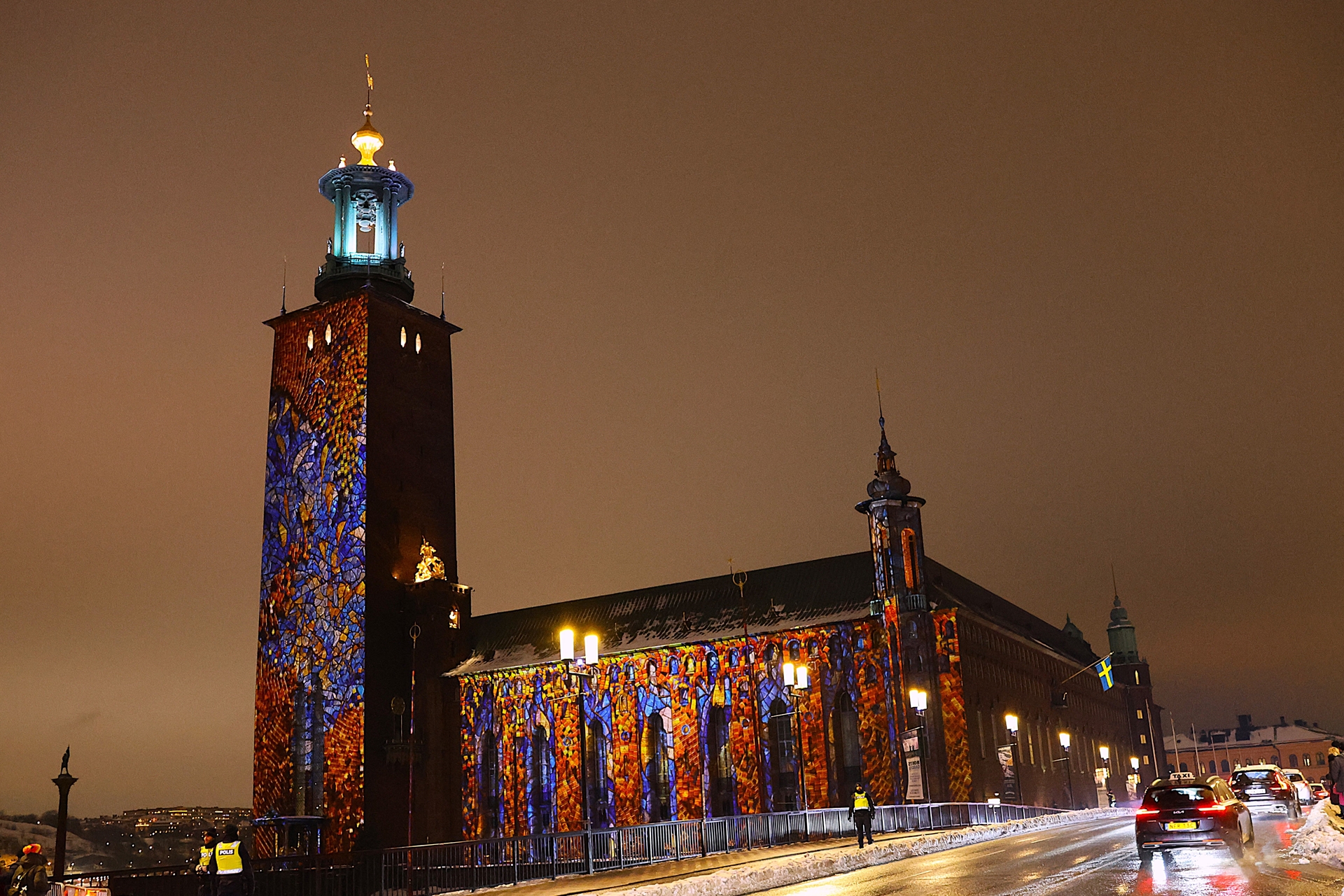
According to the City of Stockholm, the strongest and most experienced brick carriers could move as many as 14 bricks at once. With each unit weighing roughly 7 kilograms, a full load approached 100 kilograms, or about 220 pounds.
There were no telehandlers or mast-climbing work platforms waiting on the job site. Getting millions of heavy units from barge to mason was itself a major part of the work.
The organization of the site also reflected Östberg's interest in older building traditions. The project was influenced by the historic byggnadshytta, or building lodge, where craftsmen from different disciplines worked alongside one another. Masons, sculptors, metalworkers, painters and other trades contributed to the building.
That helps explain some of the character still visible in the masonry. Variation in the walls wasn't necessarily something to eliminate. Skilled masons had to work with handmade material and maintain the larger composition across a very large project.
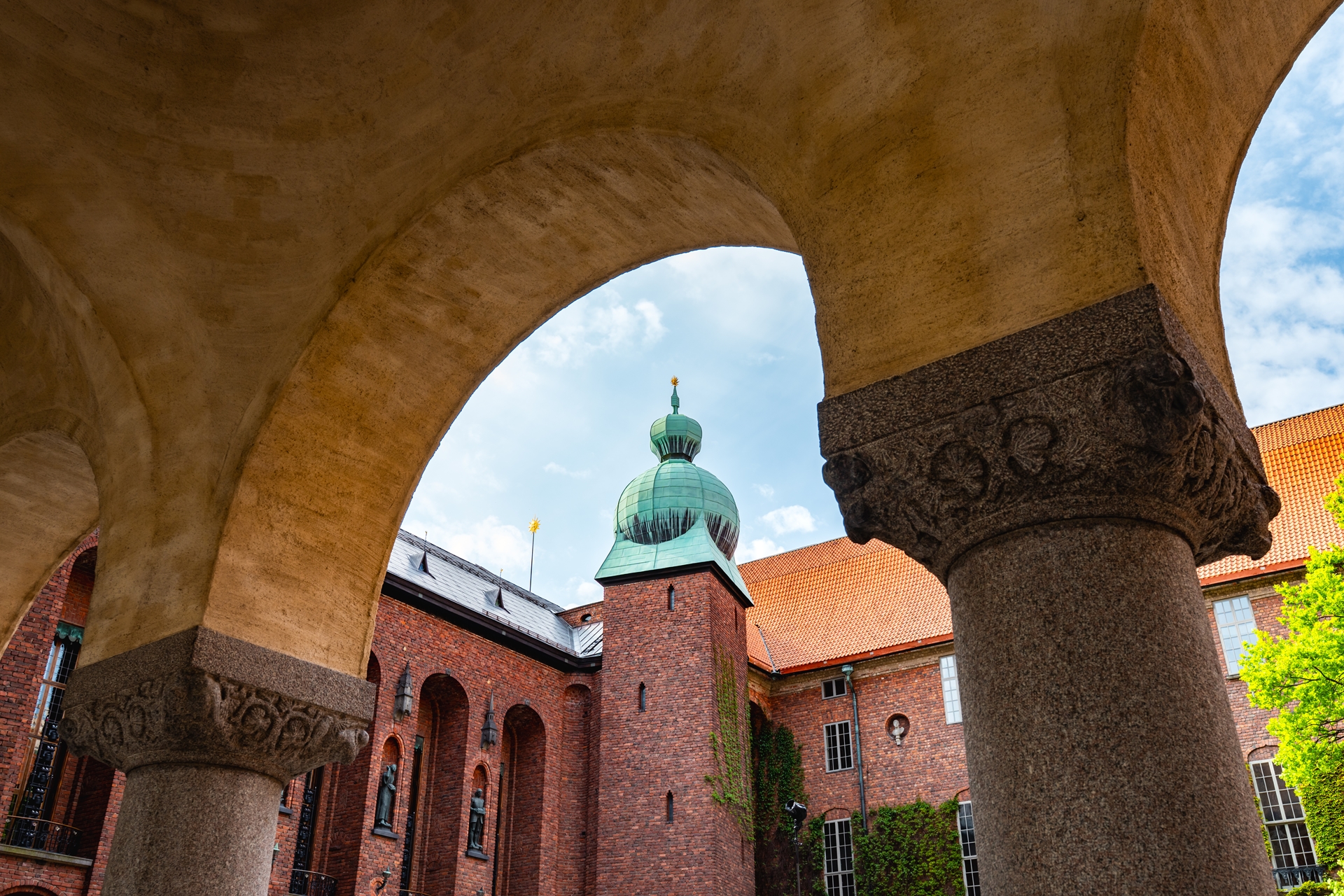
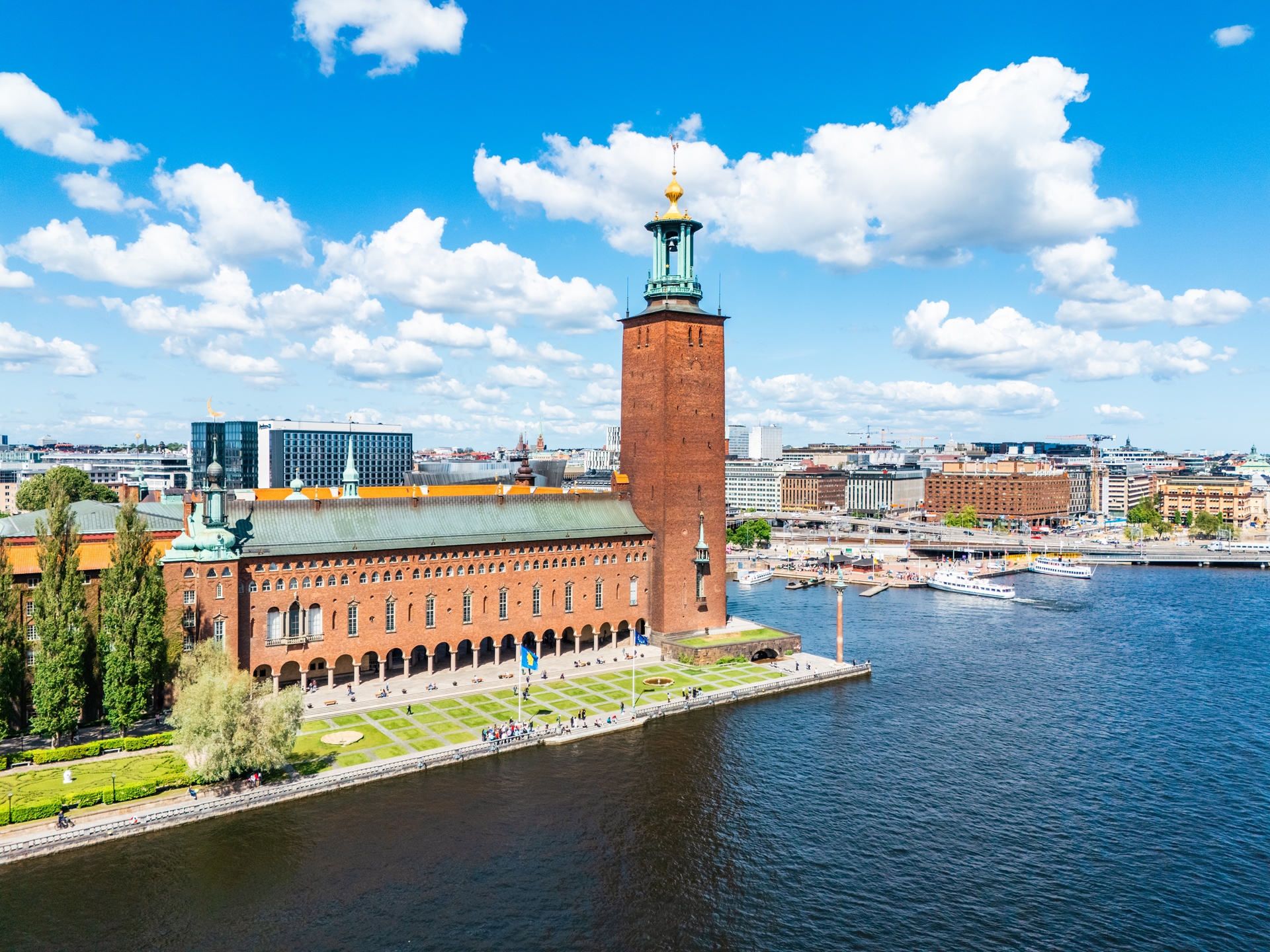
Stockholm City Hall reached its 100th anniversary in 2023, and keeping a building of this scale in service requires ongoing work.
In connection with the centennial, the City of Stockholm carried out approximately 30 conservation and restoration projects. They weren't limited to masonry. Projects included replacing damaged sandstone paving in the southern portico, work on stone and paving in City Hall Park, renewed gilding and restoration of interior features.
In the park, existing paving was lifted and returned to its original locations where possible. New Roslagen sandstone was selected where replacement material was needed so it would work visually with stone that had already been in place for a century.
One distinction is important. The city doesn't describe the centennial work as a comprehensive restoration of the historic brick facades. Without further project documentation, it would be misleading to assign specific repointing methods, replacement-brick specifications or mortar formulations to that work.
Still, the brick presents the same questions encountered on other historic masonry projects. Finding a replacement unit with roughly the right color isn't enough when the existing wall contains century-old handmade brick. Size, texture, porosity, and weathering all come into play. The same is true of mortar, joint profile, and tooling.
Those aren't claims about specific repairs at City Hall. They're the practical issues that make preservation of masonry like this complicated.
And the preservation work isn't finished. The City of Stockholm has announced an extensive renovation and restoration of the 106-meter tower, with work scheduled to begin in 2027 and continue through the end of 2028. The stated objective is to prepare the tower to last at least another 100 years.